
Choosing grill tools by the steel, not by the piece count

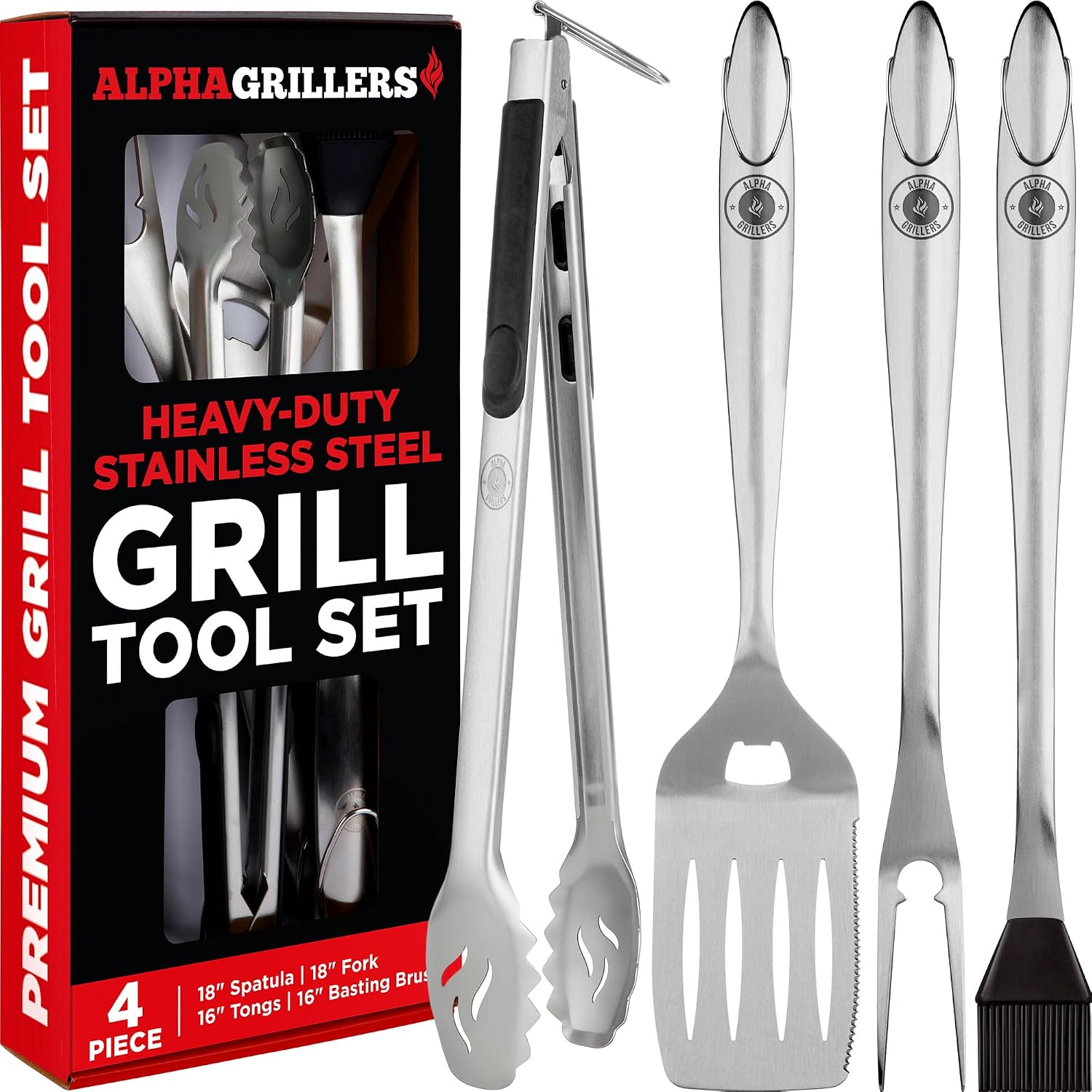
When it comes to grilling, the right tools can make all the difference. While many consumers gravitate towards large sets boasting numerous pieces, the quality of those tools often matters more than the quantity. In fact, a smaller, more thoughtfully curated set can enhance your grilling experience significantly.
Understanding the materials and construction of grill tools can help you make informed decisions. This article will explore why choosing grill tools based on their quality rather than their quantity is crucial for any grilling enthusiast.
Importance of Material Quality
The material used in grill tools directly affects their durability and performance. Stainless steel is often the preferred choice due to its strength and resistance to rust. It provides an excellent balance between weight and sturdiness, ensuring your tools can withstand high temperatures and heavy use.
Additionally, high-quality steel retains its shape and sharpness over time. Investing in tools made from superior materials means you will not need to replace them frequently, saving you time and frustration in the long run.
Understanding Gauge
The gauge of steel used in grill tools plays a crucial role in their effectiveness. A lower gauge indicates thicker steel, which typically translates to sturdier tools. For instance, grill spatulas or tongs made from thicker steel are less likely to bend or warp during use.
When evaluating tools, look for those with a gauge that feels robust in your hand. This ensures that your tools can handle flipping burgers or lifting heavy cuts of meat without risk of damage.
Handle Length Matters
Handle length is another important factor to consider when selecting grill tools. Longer handles provide greater leverage and keep your hands away from the heat, which is essential for safe grilling. Tools with shorter handles can lead to burns or discomfort while cooking.
When choosing tools, hold them to see how they feel. A comfortable grip and adequate length will allow for better control, making your grilling experience more enjoyable and efficient.
Rivet Quality
Rivets are often overlooked but are essential for securing the head of the tool to the handle. High-quality rivets prevent loosening and ensure the longevity of your grill tools. Cheap rivets can lead to breakage, requiring replacements sooner than expected.
Inspect the rivets on any grill tools you consider. Choose tools where the rivets are solidly fastened and made from durable materials. This attention to detail can significantly enhance the reliability of your grilling tools.
Functionality Over Quantity
Many grill tool sets boast a large number of pieces, but this can lead to redundancy. A three-piece set consisting of a spatula, tongs, and a fork can cover most grilling needs effectively. In contrast, a 35-piece kit may include several tools that serve similar purposes.
Focus on the essential tools that you will use frequently. This not only saves space but also ensures that you are investing in quality items that enhance your grilling experience without the clutter of unnecessary tools.
Choosing the Right Type of Tools
Different types of grilling require specific tools. For example, if you often cook delicate foods like fish, a wide spatula with a thin edge is beneficial. Heavy-duty tongs are essential for flipping larger cuts of meat. Selecting tools tailored to your grilling style will improve your results.
Consider your personal cooking habits and choose tools that complement them. This tailored approach allows you to focus on quality rather than quantity, ensuring you have the right tools for every grilling session.
Cleaning and Maintenance
The longevity of your grill tools depends on proper cleaning and maintenance. High-quality tools are often easier to clean and maintain, which is crucial for preserving their functionality. Tools made from stainless steel, for example, resist stains and can be cleaned easily with warm, soapy water.
Investing in cleaning gear specifically designed for grill tools can further enhance their lifespan. Regularly cleaning your tools after each use will prevent buildup and ensure they remain in optimal condition for your next grilling adventure.
Storage Solutions
How you store your grill tools can impact their longevity. A dedicated storage solution, such as a tool rack or magnetic strip, keeps tools organized and easily accessible. This prevents damage from being tossed in a drawer or left exposed to the elements.
Choose storage options that allow for air circulation to avoid moisture buildup. Proper storage not only keeps your tools in good condition but also makes your grilling setup more efficient and enjoyable.
The short version
When selecting grill tools, prioritize quality over quantity. Look for high-gauge stainless steel, comfortable handle lengths, and solid rivets. A smaller set of essential tools can often outperform a larger, less efficient kit. Remember to consider your grilling style, maintain your tools properly, and store them thoughtfully for the best results.
Quality Over Quantity: The Importance of Gauge and Handle Length
When selecting grill tools, focus on the gauge of the steel and handle length rather than the sheer number of pieces. Thicker gauge steel provides durability and withstands high temperatures, ensuring your tools last longer. Additionally, longer handles offer better leverage and heat resistance, allowing you to maneuver more safely around the grill without burning your hands.
Moreover, a smaller set of high-quality tools often outperforms a larger, lower-quality kit. Tools with well-constructed rivets prevent breakage during use, ensuring reliability. A 3-piece kit made from premium materials can give you the confidence to achieve great grilling results, while a 35-piece set may include flimsy items that compromise your grilling experience.
Where to go next
Everything discussed here lives in Grill Tool Sets. If you are weighing two options and cannot decide, the answers page covers the questions we get asked most, and a message reaches the people who pack the orders.