
Cleaning a grate without wrecking it

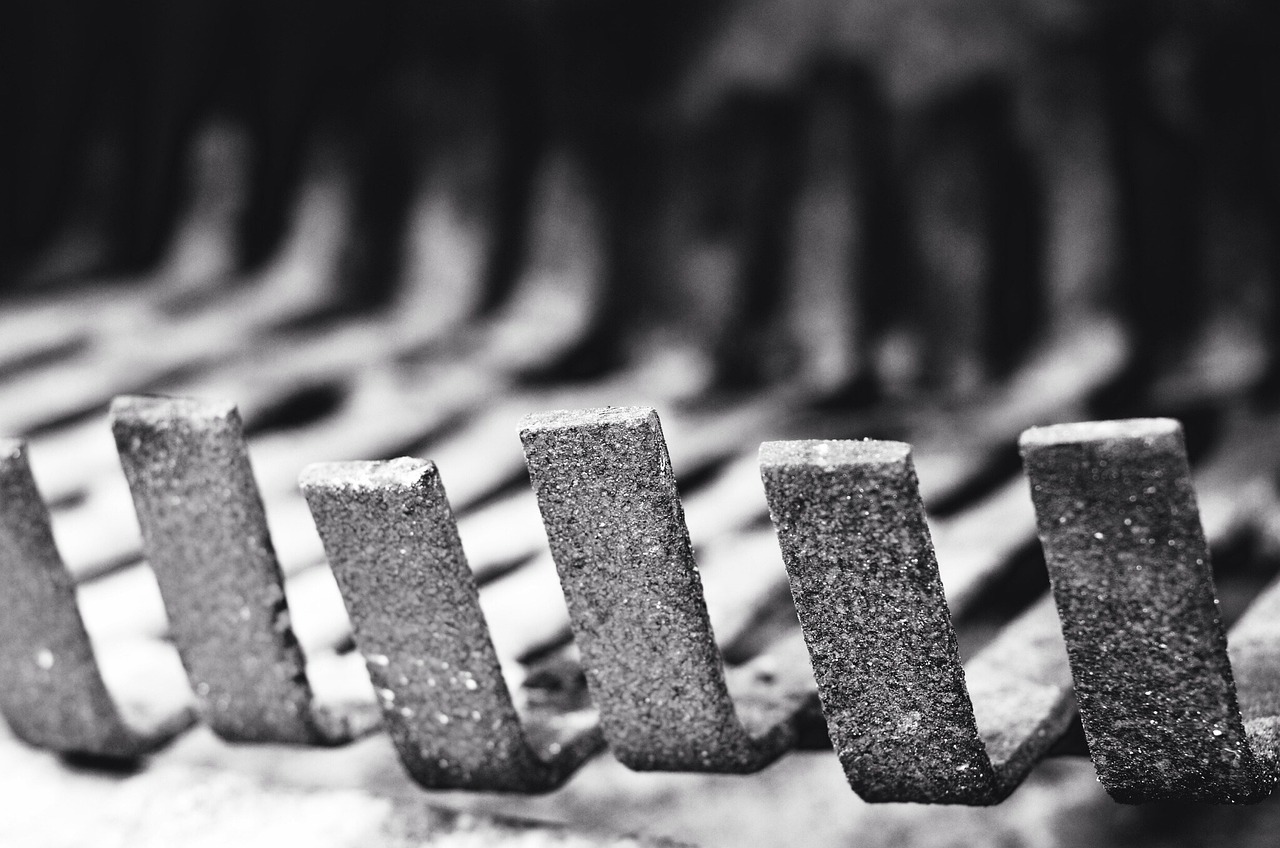
Cleaning a grill grate can be a daunting task, but it doesn’t have to be. With the right approach, you can maintain your grill without damaging it. Whether you prefer to clean while the grill is hot or cold, understanding the best methods can help you achieve a sparkling result in a matter of minutes.
In this guide, we will cover effective cleaning methods, important safety tips, and a quick routine that will keep your grill grates in top condition. With just a few minutes of your time, you can ensure your grill is ready for your next cookout.
Hot vs. Cold Cleaning
When it comes to cleaning grill grates, you can choose between hot and cold cleaning methods. Hot cleaning involves scrubbing the grates while they are still heated after cooking. This method can be effective as the heat helps to loosen food residue. However, it requires caution to avoid burns.
Cold cleaning, on the other hand, allows you to take your time and be more thorough. After the grill has completely cooled, you can soak the grates in warm soapy water. This is a safer option, especially for those who are less experienced with grill maintenance.
Bristle Safety
One common concern when cleaning grill grates is the risk of bristles from wire brushes coming loose and ending up in food. To avoid this, consider using bristle-free brushes or alternative cleaning tools. These options provide effective cleaning without the risk associated with traditional brushes.
If you do choose to use a wire brush, inspect it regularly for wear and tear. If you notice any bristles loosening, it’s time to replace the brush. Your safety in the kitchen should always come first.
Using Scrapers
Grill scrapers are an essential tool for maintaining your grates. They come in various materials, including metal and plastic, and can effectively remove stubborn grime. A metal scraper can be particularly useful for tough residues, while a plastic scraper is gentler and ideal for sensitive grates.
When using a scraper, always work in the direction of the grate’s lines to avoid damaging the surface. This method allows you to effectively clean without scratching or harming the grates. Make sure to keep your scraper clean as well to avoid transferring debris back onto the grill.
Routine Cleaning Steps
Establishing a routine for cleaning your grill grates can simplify the process. Begin by deciding whether you want to clean while the grill is hot or cold. If you choose hot cleaning, make sure to wear heat-resistant gloves and use a scraper or brush to loosen food particles.
If you prefer cold cleaning, soak the grates in warm, soapy water for about 15-20 minutes. After soaking, use a scraper to remove debris. Rinse thoroughly with clean water and dry before placing them back on the grill. Consistency in your cleaning routine will help maintain the grates longer.
Additional Tools for Cleaning
In addition to scrapers and brushes, consider investing in other cleaning tools to enhance your grill maintenance. Grill mats can protect your grates from excessive buildup, while heat-resistant gloves make handling hot grates safer.
- Grill mats for added protection
- Heat-resistant gloves for safety
- Sponges for gentle cleaning
Having the right tools on hand simplifies the cleaning process. Each tool plays a role in ensuring your grates remain in excellent condition, making your grilling experience more enjoyable.
Dealing with Stubborn Residue
Sometimes, food particles can get stuck on your grill grates, making them difficult to remove. For stubborn residue, consider using a mixture of baking soda and water to create a paste. Apply the paste to the affected areas and let it sit for a few minutes before scrubbing.
If baking soda isn’t available, vinegar can also work well. Spray vinegar onto the grates and allow it to sit for a while. The acidity helps to break down tough grime, making it easier to clean. Rinse thoroughly after using either method.
Cleaning Frequency
How often you clean your grill grates can depend on how frequently you use your grill. For regular grillers, it’s advisable to clean the grates after each use. This prevents grease buildup and helps to maintain the quality of your cooking surface.
For those who grill less often, a deep clean every few uses is sufficient. Regardless of frequency, always ensure that the grates are free of debris and residue before grilling to promote better flavor and reduce the risk of flare-ups.
Storing Grates Properly
Proper storage of grill grates can prolong their lifespan. Ensure that the grates are completely dry before storing them to prevent rust. Consider wrapping them in a cloth or placing them in a dedicated storage space to keep them protected from dust and moisture.
Storing your grates in a dry, cool environment is essential. Avoid stacking heavy items on top of them to prevent warping. With proper care and storage, your grates will be ready for your next grilling adventure.
The short version
To clean your grill grates effectively, choose between hot or cold cleaning methods based on your preference. Use bristle-free brushes or scrapers to avoid safety risks, and establish a routine that includes soaking, scrubbing, and rinsing. Keep your tools handy and store grates properly to ensure long-lasting performance.
Where to go next
Everything discussed here lives in Cleaning and Care. If you are weighing two options and cannot decide, the answers page covers the questions we get asked most, and a message reaches the people who pack the orders.
From that section
- Grilljoy 8-Piece BBQ Grill Tools Set with Stainless Steel Utensils and Brush
- Coralogo 4-Piece Stainless Steel Grill Tool Set with Bag
- Ninja Woodfire Grill Cleaning Brush & Scraper